


Throughout history, gold and war have shared a powerful connection. Whenever geopolitical tensions rise or wars break out, gold prices often surge. But why does this happen? This article explores the relationship between gold and war, the historical patterns behind it, and why investors continue to see gold as a safe haven during times of conflict. ( Gold in Times of War )
Why Gold Is Considered a Safe Haven Asset

Gold has long been viewed as a store of value. Unlike paper currencies, gold is not controlled by governments and cannot be printed at will. During wars, economies face uncertainty, inflation, and currency instability. As confidence in financial systems weakens, investors turn to gold as a safe haven investment.
Key reasons gold performs well during wars:
- Protection against inflation
- Hedge against currency devaluation
- Tangible asset with intrinsic value
- Globally accepted and highly liquid
Historical Relationship Between Gold and War
History shows a consistent trend: gold prices rise during wars and geopolitical crises.
World War I and World War II
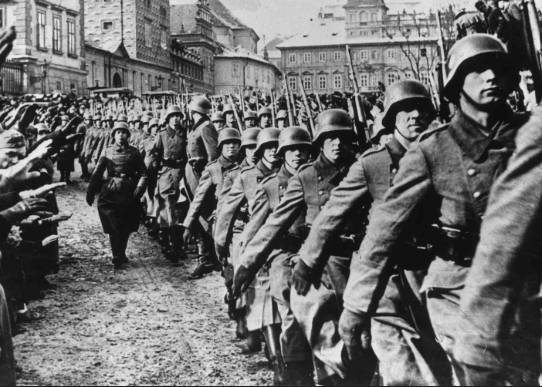
During both world wars, countries abandoned the gold standard to print money for military spending. This led to inflation and currency depreciation, increasing gold’s long-term value.
Cold War Era
Although direct conflict was limited, persistent geopolitical tension supported steady demand for gold as a hedge against global instability.
Gulf War, Iraq War, and Afghanistan Conflict
Each of these events triggered short-term spikes in gold prices as investors reacted to uncertainty in oil markets and global security.
Russia-Ukraine Conflict
More recently, the Russia-Ukraine war caused sharp increases in gold prices as sanctions, supply chain disruptions, and fears of escalation shook global markets.
How War Impacts Gold Prices
War influences gold prices through several economic channels:

1. Economic Uncertainty
Wars disrupt trade, slow economic growth, and increase market volatility. Gold thrives in uncertain environments.
2. Inflation and Money Printing
Governments often fund wars through borrowing and money creation, which reduces currency value and boosts demand for gold.
3. Currency Weakness
When national currencies weaken during wartime, gold becomes more attractive as a neutral global asset.
4. Stock Market Volatility
Investors shift funds from risky assets like stocks into gold during wartime market downturns.
Does Gold Always Rise During War? ( Gold in Times of War )
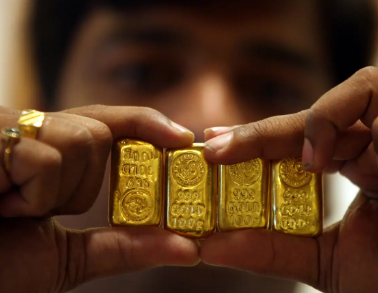
While gold often performs well during wars, short-term price movements can vary. Sometimes prices rise before a conflict begins as markets anticipate risk. In other cases, gold may briefly fall if investors sell assets to raise cash. However, gold’s long-term trend during prolonged conflicts is usually upward.
Gold vs Other Assets During War ( Gold in Times of War )
| Asset Type | Performance During War |
|---|---|
| Gold | Generally strong |
| Stocks | Highly volatile |
| Bonds | Depends on inflation |
| Real Estate | Often unstable |
| Cryptocurrencies | Extremely volatile |
This comparison reinforces why gold remains a preferred choice during global conflicts.
Why Investors Buy Gold During War ( Gold in Times of War )
Investors buy gold during war for:
- Portfolio diversification
- Wealth preservation
- Crisis protection
- Long-term financial security
Central banks also increase gold reserves during geopolitical instability, further driving demand.
Conclusion: Gold and War Are Closely Linked ( Gold in Times of War )
The relationship between gold and war is deeply rooted in history and economics. Wars create uncertainty, inflation, and financial instability — conditions under which gold traditionally performs well. While no investment is risk-free, gold continues to be a trusted asset during times of global conflict.
For investors seeking stability during geopolitical crises, gold remains one of the most reliable safe haven assets.
Similar Blogs :
Grow Money from $1 to Million Investment Hack


**backbiome**
Mitolyn is a carefully developed, plant-based formula created to help support metabolic efficiency and encourage healthy, lasting weight management.
1230665 unlocker.ai
xtngjdthtykgsqynyzhqdkqeedpqyk
Boostaro is a purpose-built wellness formula created for men who want to strengthen vitality, confidence, and everyday performance.