


Pi Network is one of the most talked-about blockchain projects in recent years, aiming to make cryptocurrency accessible to everyone. Founded by Stanford graduates, the project allows users to participate in the crypto economy directly from their smartphones — without expensive mining rigs or high energy costs. (What Is Pi Node)
The Pi token (₱Pi) serves as the project’s native currency. Users mine or earn Pi coins using the Pi mobile app, while the Pi Node software powers the decentralized infrastructure behind the network.
But what exactly is a Pi Node? How is it different from the mobile app? Can you earn Pi by running one? Let’s break it all down.
What Is Pi Node?
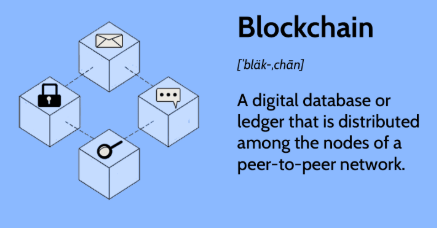
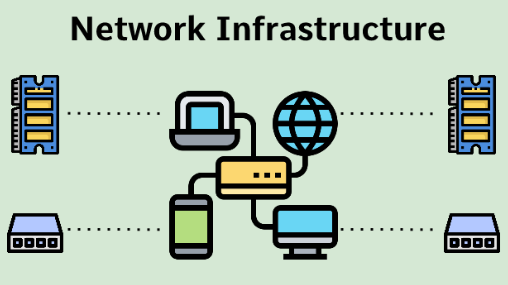
A Pi Node is the backbone of the Pi Network’s blockchain — a computer that helps validate transactions, secure the network, and maintain decentralization.
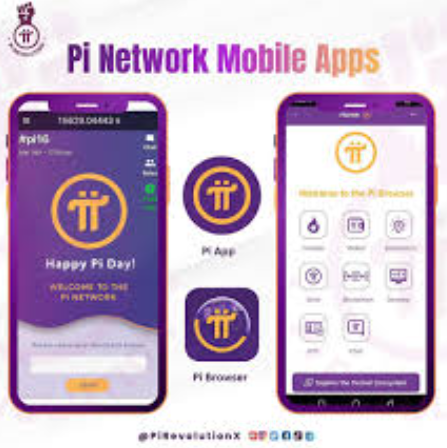
Unlike the Pi mobile app, which runs on smartphones, the Pi Node runs on desktops or laptops (Windows, macOS, and now Linux). It’s a bridge between regular users and the blockchain infrastructure.
According to the official Pi Node documentation, the Node ecosystem includes three levels:
- Computer App – A desktop version of the mobile Pi app.
- Node – Runs blockchain software that helps verify transactions.
- SuperNode – High-performance nodes selected for consensus and block validation.
In short, if you run a Pi Node, your computer becomes part of the decentralized network that powers Pi.
Pi Node vs. Pi Mobile App: What’s the Difference?
Most Pi Network users are familiar with the mobile app, but the Pi Node serves a different purpose.
| Feature | Pi Mobile App | Pi Node |
|---|---|---|
| Platform | Android / iOS | Windows, Mac, Linux |
| Purpose | Mine Pi and build social trust | Validate transactions and maintain blockchain |
| Resource Usage | Very low | Moderate (requires storage & uptime) |
| Main Role | User participation | Infrastructure support |
| Rewards | Earn Pi daily | Rewards TBD (in Testnet phase) |
In Simple Terms
- The mobile app helps grow the network (users).
- The node helps run the network (infrastructure).
They work together to achieve true decentralization.
Can You Earn Pi by Running a Pi Node? (What Is Pi Node)
This is one of the most frequently asked questions about Pi Nodes — and the answer depends on what stage the project is in.
Currently, Pi Network is still in the Enclosed Mainnet or Testnet phase. According to the official site:

“While we collect the relevant data needed to determine the most appropriate incentive mechanism, there will be no mining rewards for Testnet Nodes.” — minepi.com
So, right now you cannot directly earn extra Pi just for running a Node.
However, when the Open Mainnet launches, the Pi Core Team may introduce reward mechanisms for Node operators who contribute to network security and uptime.
In Short
You can run a node now.
You won’t earn additional Pi yet.
You might be eligible for future rewards once the mainnet is open.
Is the Pi Node Fully Functional?
Not yet. The Pi Node software is under active development and currently part of the Testnet environment.
Here’s what’s working today:
- The Pi Node software is available for Windows, macOS, and Linux.
- Over 200,000 nodes have already been set up by community members worldwide.
- The software continues to receive updates — the latest version (v0.5+) improves blockchain syncing and stability.
However, full decentralization (open mainnet) and reward mechanisms are still being rolled out.
What to Expect Next
- Transition from Enclosed Network → Open Network (Mainnet)
- Implementation of Node rewards or staking incentives
- Greater integration with Pi apps and ecosystem utilities
Until then, Pi Nodes are helping test and stabilize the system in preparation for the full launch.
Why Should You Run a Pi Node? (What Is Pi Node)

Even if you don’t earn Pi immediately, there are still many reasons to run a node:
- Be part of early infrastructure — get hands-on with blockchain technology.
- Support decentralization — help strengthen the network.
- Possible future rewards — early participation may bring benefits later.
- Learn technical skills — understand how distributed systems work.
Running a node also gives you a deeper sense of contribution to the crypto ecosystem — it’s not just about earning, but building.
Requirements for Running a Pi Node (What Is Pi Node)
Before you start, make sure your computer meets the minimum requirements:
- OS: Windows 10+, macOS, or Linux
- RAM: At least 8 GB
- Storage: 100 GB+ free space
- Internet: Stable broadband connection
- Availability: Preferably online 24/7
You can download the official Pi Node software from minepi.com/node — avoid unofficial sources to protect your account.
Important Notes for Beginners (What Is Pi Node)
- Pi is not yet tradeable on major exchanges.
- No guaranteed income from node operation yet.
- Avoid scams or fake apps pretending to be Pi-related.
- Always follow official updates from the Pi Core Team.
The Future of Pi Network Nodes (What Is Pi Node)
The Pi Node ecosystem is expected to grow rapidly once the Open Mainnet phase begins. Nodes will become crucial for:
- Transaction validation
- Governance and voting
- Data storage
- Ecosystem app integration
As Pi moves toward decentralization, the Node community will play a major role in ensuring transparency and trust across the network.
Final Thoughts (What Is Pi Node)
The Pi Node represents the next evolution of the Pi Network — moving from mobile participation to real blockchain infrastructure.
While it’s still in development, running a Node today allows users to help shape the future of the network and potentially benefit when full Mainnet rewards launch.
If you’re tech-savvy and believe in the Pi vision, running a Node can be a rewarding (and educational) experience.
For casual users, the mobile app remains the easiest way to stay active in the ecosystem — until the network opens fully.



Thank you for your sharing. I am worried that I lack creative ideas. It is your article that makes me full of hope. Thank you. But, I have a question, can you help me? https://accounts.binance.com/ru/register-person?ref=O9XES6KU