


If you’ve ever wondered which herbs are literally worth their weight in gold (or close), this list will make your pantry feel like a treasure chest. Below I’ve ranked ten high-value herbs, spices and fragrant botanicals used across cooking, medicine and luxury goods. For each I give a realistic price range (market ranges vary by grade and origin), where it’s produced, how rare it is, main uses, why it commands top dollar, who buys it, and what science says about the active compounds. (Most Valuable Herbs)
1) Saffron (Crocus sativus) — “red gold”

Typical price (range): roughly $1–$15 per gram retail depending on grade; premium grades and branded lots command more. saffronbest.com+1
Where it’s grown: Iran (largest producer), Spain, India (Kashmir), Afghanistan, Greece. saffronbest.com+1
Rarity: Extremely labor-intensive (each flower yields three stigmas); fragile; yield per hectare is low — that scarcity plus hand harvesting makes it rare. saffronbest.com
Uses: Culinary (paellas, risottos, desserts), dyeing, high-end cosmetics, traditional medicines and supplements. PMC
Why valuable: Tiny yields per flower + labor (handpicking + careful drying) + distinct color, flavor and aroma make saffron both culinary and medicinal-grade commodity. Adulteration is common, which also raises trust premiums for authentic product. saffronbest.com+1
Who uses it: Michelin restaurants, spice traders, supplement and nutraceutical makers, luxury food brands, perfumers and home cooks seeking premium flavor. PMC
Science / active compounds: Major bioactives are crocin (color, carotenoid), picrocrocin (flavor, bitter precursor) and safranal (aroma). These compounds are implicated in antioxidant, neuroprotective and mood-supporting effects in research. MDPI+1
2) Natural Vanilla (Vanilla planifolia — Bourbon / Madagascar vanilla)

Typical price (range): wholesale/retail fluctuates a lot; premium Madagascar beans often trade in the low hundreds of USD per kilogram (retail can be higher per pound/ounce depending on grade). Recent years have seen prices ~US$180–$300/kg for good beans though volatility is high. MADAMARKET EXPORT+1
Where it’s grown: Madagascar (dominant), Indonesia, Mexico, Tahiti. Future Market Insights
Rarity: Vanilla vines must be hand-pollinated in most producing regions, beans require long curing — supply sensitive to cyclones, disease and labor — that makes natural vanilla scarce versus synthetic vanillin. Spice Alibaba+1
Uses: Baking and desserts, premium ice cream, perfumes, aromatherapy, food & beverage formulations and upscale cosmetic/natural-flavor markets. Future Market Insights
Why valuable: Extreme labor intensity (hand pollination, long curing) + climate vulnerability + consumer preference for “natural” flavors vs. cheap synthetic vanillin. Spice Alibaba+1
Who uses it: Pastry chefs, artisanal ice cream makers, luxury food brands, perfumers and food ingredient companies. Future Market Insights
Science / active compounds: Vanillin is the dominant flavor compound, but natural vanilla contains hundreds of minor compounds (phenolics, acids) that give depth and complexity and make natural beans prized. Research & market reports stress the premium on natural vanilla for its complex chemistry. Market Report Analytics+1 (Most Valuable Herbs)
3) Wild Ginseng (Panax spp. — especially wild American P. quinquefolius and Asian P. ginseng)
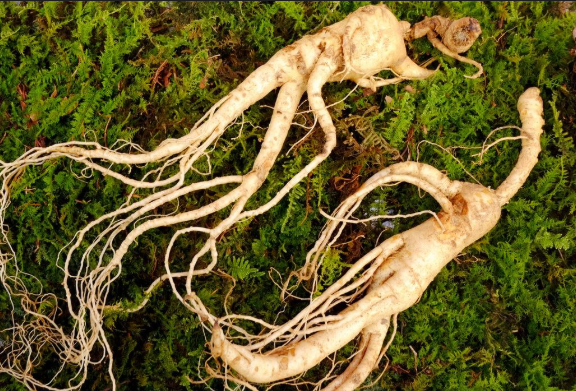
Typical price (range): huge variability — cultivated ginseng can be tens to low hundreds USD/kg; wild, high-grade roots can fetch hundreds to thousands USD per kg depending on age, provenance and market. Reports show wide ranges (dozens to >$1,000/kg for prized wild roots). Tridge+1
Where it’s found: Eastern North American forests (wild American ginseng), Korea/China/East Asia (Asian ginseng). Cultivation exists, but true wild roots are rarer. U.S. Fish and Wildlife Service
Rarity: Wild populations have been heavily harvested and are protected in many places; mature wild roots take many years to reach premium status. That rarity and strict regulation (and illegal digging) push prices up. U.S. Fish and Wildlife Service+1
Uses: Traditional Chinese medicine and Korean herbal medicine (tonics, stamina, immunity), modern nutraceuticals, high-end herbal remedies. PMC
Why valuable: Cultural esteem (long medicinal history), scarcity of old wild roots, and high demand in East Asia (where wild root authenticity is prized). U.S. Fish and Wildlife Service
Who uses it: TCM practitioners, supplement manufacturers, collectors, and wealthy consumers in East Asian markets. IMARC Group
Science / active compounds: Ginsenosides (triterpenoid saponins) are the main bioactive class; dozens/hundreds of ginsenosides have been isolated and studied for effects on the nervous, immune and cardiovascular systems. PMC+1
4) Agarwood / Oud (resinous heartwood of Aquilaria spp.)

Typical price (range): wildly variable by grade — raw chips and oil can range from a few hundred to tens of thousands USD per kilogram; very rare, aged, high-grade oud oils have historically been quoted at extremely high prices (orders of magnitude difference by origin/grade). Wikipedia+1
Where it’s found: Southeast Asia — Vietnam, Cambodia, Laos, Indonesia, Malaysia; certain South Asian pockets too. Oud Oil
Rarity: Agarwood forms only when Aquilaria trees become infected/stressed and produce a dark aromatic resin; natural formation is rare and wild stocks have been overharvested, so high-grade material is scarce and CITES-regulated. Wikipedia+1
Uses: Luxury perfumery (oud perfumes), incense, traditional medicines, religious/ceremonial burning. Ajmal
Why valuable: Extremely limited natural supply + deep cultural and luxury market demand (esp. Middle East and parts of Asia) + complex, long-lasting aroma that’s difficult to replicate. Wikipedia+1
Who uses it: Luxury perfume houses, Middle Eastern consumers for home/ceremonial use, collectors and connoisseurs. Allure
Science / active compounds: Agarwood resin contains complex sesquiterpenes, chromones and phenylethyl chromone derivatives that give the unique oud scent; modern reviews catalog many volatiles and semivolatiles linked to its fragrance and bioactivity. researchgate.net+1
5) Da Hong Pao (Big Red Robe) and other ultra-rare oolong/tea cultivars
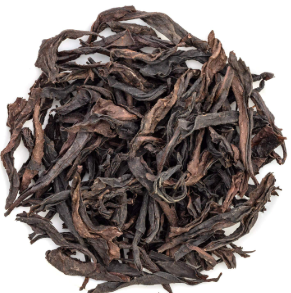
Typical price (range): depends massively on provenance and whether the leaves are from the ancient mother bushes. Commercial modern blends are affordable; authentic Da Hong Pao material or tiny samples from the original Wuyi “mother” bushes have historically sold for extraordinarily high sums (collector-level prices per gram or more). Regular high-quality retail samples range modestly, but true historical mother-bush lots are effectively priceless/auctioned. Seven Cups
Where it’s found: Wuyi Mountains, Fujian, China (Da Hong Pao); other rare teas have niche mountain origins. Seven Cups
Rarity: Extremely rare when it comes from the original centuries-old bushes; most “Da Hong Pao” on the market is blended/propagated material. That provenance premium creates massive value gaps. Seven Cups
Uses: Beverage (tea connoisseurship), specialty tea auctions, gifts; also of cultural/collectible value. Seven Cups
Why valuable: Historical provenance (ancient bushes), unique terroir/flavor profile and collector demand drive prices. Seven Cups
Who uses it: Tea aficionados, luxury gift markets and collectors. Seven Cups
Science / active compounds: Like other teas, contains catechins, theaflavins/thearubigins (depending on processing), caffeine and aromatic volatiles; unique processing and terroir create distinct volatile profiles studied in tea chemistry. Seven Cups
6) Green Cardamom (Elettaria cardamomum) — “queen of spices” (Most Valuable Herbs)
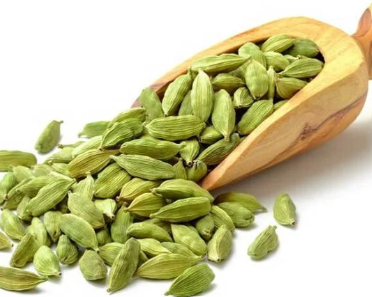
Typical price (range): varies by market/grade; premium green cardamom commonly sells in the tens to low hundreds USD per kg; regional spikes occur (and local markets show strong price movement). scribd.com+1
Where it’s grown: India (Kerala, Karnataka), Guatemala (major exporter), Sri Lanka, Indonesia. Golden Saffron
Rarity: Requires tropical humid conditions and hand harvesting; premium large pods are limited. Crop yields and world demand create price sensitivity. Golden Saffron
Uses: Culinary (savory and sweet dishes, spice blends), traditional medicines (digestive), perfumes and some beverages. Golden Saffron
Why valuable: Labor-intensive harvest, limited terroirs for top grades, and strong export demand (especially from Middle East and specialty food markets). Golden Saffron
Who uses it: Restaurants, spice grinders/packagers, coffee/tea blenders, and perfumers in traditional blends. Golden Saffron
Science / active compounds: Cardamom’s aroma comes from cineole, terpenes and other volatile oils; research highlights digestive, antioxidant and antimicrobial properties in lab studies. Golden Saffron
7) Wasabi (real/hon-wasabi, Wasabia japonica) (Most Valuable Herbs)

Typical price (range): fresh wasabi root (hon-wasabi) is much costlier than prepared paste; export/import data shows fresh root values in the tens of USD per kg for trade data, while retail for small roots or restaurant use is higher per usable portion. (Note: many sushi restaurants use horseradish + coloring as cheaper substitute.) Tridge
Where it’s grown: Japan (primary), plus niche cultivation in Taiwan, New Zealand and some controlled environments elsewhere. Tridge
Rarity: Difficult to cultivate (cool, shaded running water or controlled shade culture); genuine fresh rhizome supply is limited relative to imitation products. Tridge
Uses: Condiment (sushi, sashimi), novelty/high-end culinary presentations, some medicinal uses historically. Tridge
Why valuable: Hard to grow, limited supply of true hon-wasabi, flavor fades quickly after grating so restaurants buy fresh small amounts — freshness + authenticity command premium. Tridge
Who uses it: High-end Japanese restaurants, wasabi lovers, food purveyors and chefs seeking authentic flavor. Tridge
Science / active compounds: Allyl isothiocyanate (AITC) and related isothiocyanates give wasabi its pungency and have been studied for antimicrobial and potential chemoprotective properties. Tridge
8) Mace (the red/aril covering of nutmeg seed — Myristica fragrans) (Most Valuable Herbs)

Typical price (range): hundreds to a few thousand local-currency units per kg depending on origin and quality (market reports show mace trading at a premium above common spices in producing regions). Recent regional spikes reported. The New Indian Express+1
Where it’s grown: Indonesia (Moluccas historically), Grenada, Sri Lanka, India. TheWholesalerCo India
Rarity: Mace is a by-product of nutmeg but prized for its unique aromatic profile; good yields but premium quality commands a price. TheWholesalerCo India
Uses: Culinary (baked goods, sauces), perfumery, traditional medicines for digestive/antimicrobial uses. TheWholesalerCo India
Why valuable: Strong unique aroma that’s harder to replicate than many common spices; global demand for specialty spices boosts value. TheWholesalerCo India
Who uses it: Chefs, spice houses, perfumers and herbalists. TheWholesalerCo India
Science / active compounds: Mace contains aromatic essential oils and compounds similar to nutmeg (myristicin, safrole in traces historically) — flavor and potential bioactivity are documented in phytochemical studies. TheWholesalerCo India
9) Sandalwood (Santalum album) — heartwood & essential oil (Most Valuable Herbs)

Typical price (range): prices vary by species, age and alpha-santalol content — sandalwood essential oil often sells for hundreds to a few thousand USD per kg for high-quality Indian/Australian grades. newdirections.com.au+1
Where it’s found: Historically India (Mysore), now also Australia, Indonesia and Pacific islands. Wild Indian sandalwood is now restricted/protected in many areas. Wikipedia
Rarity: Slow-growing trees and overharvesting have made high-grade Indian sandalwood rare and regulated; age and provenance matter. Wikipedia
Uses: Perfume base notes, incense, cosmetics, religious rituals and Ayurveda. newdirections.com.au
Why valuable: Distinctive long-lasting scent; rare mature heartwood and high demand in perfumery and ritual markets. Wikipedia
Who uses it: Perfumers, incense producers, luxury skin-care brands, religious markets. newdirections.com.au
Science / active compounds: α-santalol and β-santalol are major constituents and are studied for calming, anti-inflammatory and topical uses. newdirections.com.au (Most Valuable Herbs)
10) Goldenseal (Hydrastis canadensis) — a high-value medicinal herb (Most Valuable Herbs)

Typical price (range): retail powdered/extract prices vary — cultivated and extract forms sell by the ounce to kilogram with prices reflecting extraction ratio and purity; wild/wildcrafted root commands premium pricing. (Commercial extracts and powders commonly retail in the tens to low hundreds USD per kg equivalent depending on grade and extract ratio). BulkSupplements.com+1
Where it’s found: Eastern North America (native); wild populations are limited and harvesting is controlled in many areas. Cultivation exists but wild root is rarer. BulkSupplements.com
Rarity: Harvest pressure and slow growth make wild goldenseal scarce; conservation concerns exist. BulkSupplements.com
Uses: Traditional herbal medicine (antimicrobial/topical uses), dietary supplements and as a dye historically. BulkSupplements.com
Why valuable: Demand for berberine-containing herbal products + scarcity of wild root + growing nutraceutical interest. Made-in-China
Who uses it: Herbal supplement companies, traditional herbalists, and consumers seeking natural antimicrobial/traditional remedies. TheWholesalerCo
Science / active compounds: Alkaloids such as berberine, hydrastine and canadine are the main actives; berberine has been studied for antimicrobial, metabolic and cardiovascular effects. TheWholesalerCo India+1
Quick notes on prices, markets & authenticity (Most Valuable Herbs)
- Prices fluctuate by grade, origin, supply shocks (climate, pests, geopolitical factors), and whether material is wild vs. cultivated — expect wide ranges. (Examples: saffron and vanilla show big price swings in recent years; agarwood and oud oil prices vary by provenance and grade.) saffronbest.com+1
- Adulteration is a real issue for ultra-expensive botanicals (saffron, vanilla, oud), so provenance and lab testing (HPLC, GC-MS for volatiles) are often used by buyers to verify authenticity. ScienceDirect+1
FAQ (fast) (Most Valuable Herbs)
Q: Are these “herbs” really herbs or spices/woods?
A: I included culinary spices (saffron, vanilla, cardamom, mace), medicinal herbs (ginseng, goldenseal), real botanical aromatics (sandalwood, agarwood) and speciality teas — the user asked for high-valued herbs broadly, so I included high-value botanicals used in food, medicine and perfumery. saffronbest.com+1
Q: Which is the single most expensive by weight?
A: Depends on grade and measurement — saffron is often billed as the most expensive spice by weight in retail trade; certain ultra-rare oud oils and first-grade agarwood at auction have at times been quoted even higher per kg for tiny, museum/collector lots. Both saffron and top-grade oud can outstrip common commodities by a large margin. saffronbest.com+1 (Most Valuable Herbs)
Q: Are there safety concerns?
A: Yes — potent herbs (saffron at high doses, concentrated ginseng extracts, berberine from goldenseal) can interact with medicines or cause side effects; always consult a healthcare professional before high-dose herbal use.
Similar Blogs :



Kho game đa dạng và hấp dẫn là một trong những điểm mạnh của nhà cái 188v vip . Với sự đa dạng của các thể loại game bao gồm cá cược thể thao, Slot, lô đề, game bài,…, bạn sẽ không bao giờ cảm thấy nhàm chán hay tẻ nhạt khi tham gia trải nghiệm. TONY04-27H
188v com tự hào sở hữu ứng dụng di động mượt mà, giúp quý khách tham gia đặt cược mọi lúc chỉ với một chiếc điện thoại. TONY04-27H