The world is home to millions of species, yet some animals are so rare that only a few individuals remain on Earth. Habitat loss, climate change, poaching, and human activities have pushed many creatures to the edge of extinction. In this article, we explore the top 10 rarest animals in the world, why they are endangered, and why protecting them is crucial for biodiversity.
1. Vaquita (Phocoena sinus)
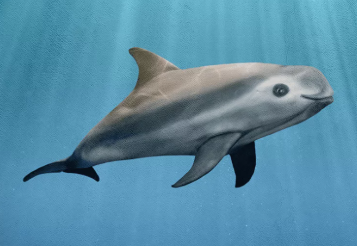
The vaquita is the rarest marine mammal in the world and also one of the smallest porpoises. It grows to only about five feet in length and has distinctive dark rings around its eyes and lips, giving it a unique facial appearance. Vaquitas are shy and elusive, making them difficult to study in the wild.
They are found exclusively in the northern Gulf of California, where they play an important role in maintaining the balance of marine ecosystems.
Why it’s rare:
- Accidental entanglement in illegal gillnets used for fishing totoaba
- Extremely restricted geographic range
Estimated population: Fewer than 10
2. Javan Rhinoceros

The Javan rhinoceros is one of the most ancient and elusive large mammals on Earth. Unlike other rhino species, it has a single horn and a mosaic-like skin that resembles armor plates. Javan rhinos are solitary animals and are rarely seen by humans.
They live in dense lowland rainforests and grasslands and rely heavily on healthy vegetation for survival.
Why it’s rare:
- Historic poaching for its horn
- Habitat loss due to human expansion and natural disasters
Estimated population: Around 75
3. Saola (Asian Unicorn)

The saola, often referred to as the “Asian unicorn,” is one of the world’s most mysterious mammals. It has long, straight horns and striking facial markings. Since its discovery in 1992, scientists have rarely observed it in the wild.
Saolas inhabit the remote forests of Laos and Vietnam and are extremely sensitive to environmental changes.
Why it’s rare:
- Deforestation in Southeast Asia
- Accidental trapping by hunters
Estimated population: Unknown, possibly fewer than 100
4. Amur Leopard

The Amur leopard is the rarest big cat species in the world. Known for its thick fur and beautiful spotted coat, it is uniquely adapted to survive harsh, cold climates. These leopards can leap over 10 feet and run at speeds of up to 37 miles per hour.
They play a crucial role as apex predators, helping regulate prey populations.
Why it’s rare:
- Poaching for fur
- Habitat fragmentation and prey scarcity
Estimated population: Around 120
5. Kakapo

The kakapo is a large, flightless parrot native to New Zealand. It is nocturnal, herbivorous, and known for its unusual mating behavior, which includes booming calls to attract mates. Kakapos can live up to 90 years, making them one of the longest-living birds.
Why it’s rare:
- Predation by introduced species such as cats and rats
- Extremely slow reproduction rate
Estimated population: Around 250
6. Sumatran Orangutan (Top 10 Rarest Animals)

The Sumatran orangutan is one of the rarest great apes and is highly intelligent, using tools and complex social behaviors. These orangutans spend most of their lives in trees and are vital for seed dispersal in rainforests.
Why it’s rare:
- Large-scale deforestation
- Illegal wildlife trade
Estimated population: About 14,000
7. Yangtze Giant Softshell Turtle (Top 10 Rarest Animals)

The Yangtze giant softshell turtle is one of the largest freshwater turtles in the world, capable of weighing over 200 pounds. It has a leathery shell and spends most of its life underwater.
Why it’s rare:
- River pollution and dam construction
- Overhunting and egg collection
Estimated population: 3 known individuals
8. Cross River Gorilla (Top 10 Rarest Animals)

The Cross River gorilla is the rarest gorilla subspecies and is known for its shy and intelligent nature. It lives in small, fragmented groups in mountainous forests and plays a key role in forest regeneration.
Why it’s rare:
- Severe habitat fragmentation
- Poaching and human conflict
Estimated population: Around 300
9. Philippine Eagle (Top 10 Rarest Animals)

The Philippine eagle is one of the largest and most powerful eagles in the world. With a wingspan of up to seven feet, it is an apex predator that depends on old-growth forests for nesting and hunting.
Why it’s rare:
- Rapid deforestation
- Illegal hunting
Estimated population: Fewer than 400
10. Axolotl (Top 10 Rarest Animals)

The axolotl is a unique amphibian famous for its ability to regenerate limbs, spinal cord, and even parts of its heart and brain. Unlike most amphibians, axolotls remain aquatic throughout their lives.
They are culturally significant in Mexico and are widely studied in scientific research.
Why it’s rare:
- Water pollution
- Urban expansion and invasive species
Estimated population: Fewer than 1,000 in the wild
Why Protecting Rare Animals Matters (Top 10 Rarest Animals)
Protecting rare animals helps maintain ecological balance and biodiversity. Every species plays a vital role in its ecosystem, and losing even one can have lasting consequences.
Conclusion (Top 10 Rarest Animals)
The rarest animals in the world remind us how fragile nature can be. Conservation efforts, wildlife protection laws, and public awareness are essential to ensure these species survive for future generations. By supporting conservation organizations and sustainable practices, we can help prevent further extinctions.
SEO Keywords: rarest animals in the world, endangered animals, critically endangered species, rare wildlife, animals close to extinction
Similar Blogs: